If you want your Fort Myers move to be calm rather than chaotic, the first thing on your moving checklist is deceptively simple: define your move scope and lock your date. Until you set the boundaries of what you’re moving, when it’s happening, and how it’s getting from point A to point B, every other decision becomes guesswork. Scope and date shape your budget, which movers you can hire, what you should purge or pack, and how you’ll sequence the rest of your life around a pile of cardboard and bubble wrap.
I’ve shepherded families through July humidity, navigated HOA elevator bookings on McGregor Boulevard, and hauled couches up tight Cape Coral staircases that look wider online than they are in real life. The same truth holds every time: nail the first step, and the rest of the plan gets easier. Botch it, and you’ll pay with money, time, or stress.
The Fort Myers factors that change your plan
Fort Myers is not a generic suburb where any moving advice applies. Weather, building rules, and busy seasons matter here. Summer rains roll in fast in the afternoon, so a 7 a.m. start isn’t a suggestion, it’s a survival tactic. Snowbird season ramps up from late fall into spring, and that affects traffic on US-41 and I-75, as well as demand for movers. Condos near downtown or on the river often require a certificate of insurance, have strict elevator reservation windows, and block move-ins on holidays. Neighborhoods with HOA gates may need your vendor on an approved list before they let the truck through.
These local quirks are why scope and date come first. If you’re moving into a high-rise that only allows moves Monday through Friday, 9 a.m. to 3 p.m., your Saturday bargain disappears. If a storm is forecast for the afternoon, you’ll want to be unloading by late morning or holding off a day. I’ve seen crews literally race a squall line across Daniels Parkway. A thoughtful plan respects Fort Myers’ tempo.
The first thing: define scope and lock your date
Scope isn’t just how many rooms you have. It’s what actually moves, what you’ll donate or sell, and what requires special handling. Walk your home with your phone’s camera and capture every room, closet, drawer, and the garage. Open the cabinets you’d rather ignore. Count large items by name: king bed with platform, 8-foot sectional, glass dining table with pedestal, 65-inch TV, Peloton, upright freezer in garage, lawn equipment, patio set, ladder. Do you empty drawers when moving? Usually, yes for anything heavy or fragile. If a dresser is solid wood, movers often prefer it empty. Lightweight items like socks can sometimes stay in drawers if the piece is sturdy and the movers agree, but assume you’ll clear drawers to avoid damage.
Add constraints to your scope: condo elevator window, HOA gate, second-floor walk-up, long carry from street, any parking restrictions. Ask your new building what not to let movers pack. Most buildings don’t want crews handling alcohol, cleaning chemicals, or loose items that can leak. Moving companies typically refuse hazardous materials outright: propane tanks, paint thinner, open bleach, aerosol cans, gasoline, and sometimes houseplants. If you’re crossing state lines, some plants are prohibited, and even within Florida, intense heat in a truck can cook them.
Once you’ve documented the scope, pick your move date. If you can, avoid the first and last weekends of the month, when rates peak. What is the cheapest day to hire a moving company? Midweek often beats weekends, and mid-month beats month-end. In Fort Myers, late October to early December can be a sweet spot for pricing and weather, though snowbird returns will begin to tighten the market. The best time of year to move for comfort is fall or early winter, with lower humidity and fewer afternoon storms. If you must move in summer, prioritize early starts and extra water for the crew.
With scope and date set, your budget and vendor choices become real, not theoretical.
What a reasonable moving budget looks like in Fort Myers
Every household’s move budget has three levers: time, convenience, and risk tolerance. A reasonable moving budget balances those against your income and commitments. For a local apartment to apartment move with standard furniture, you can ballpark the cost by the number of movers and hours.
How much do movers charge in Florida? Local moves are usually billed hourly. For the Fort Myers market, two movers and a truck can run roughly 110 to 160 dollars per hour, sometimes higher during peak demand or for specialty crews. Add a third mover and expect closer to 150 to 220 per hour. The job length depends on distance, stairs, elevator waits, and how well you pack. A modest one-bedroom might take 3 to 5 hours door to door, a two-bedroom 5 to 8 hours, and a larger home 7 to 12 hours. Packing services are extra, often 50 to 90 per hour per packer, plus materials. This means a typical local two-bedroom move in Fort Myers might land between 700 and 1,800 dollars, and a larger family home can push 2,000 to 4,000 dollars if packing is included.
What is the most expensive part of moving? Long-distance logistics and professional packing. Boxes, paper, and mattress bags add up. So does your time if you DIY. The trade-off: pack yourself to save money, or pay pros to protect your back, schedule, and fragile items.
What is a reasonable moving budget? As a percentage of income, think of moving as a short-term project. If you follow the 50 30 20 rule for monthly budgeting, this move will temporarily lean into the 30 percent discretionary bucket, especially if you plan ahead and save. There’s also a stricter 70/30/10 rule money format for longer-term planning, but it’s aggressive for many households and not tailored to one-time expenses like a move. For planning a local move, aim to set aside at least 1 to 2 percent of your annual take-home pay if you’re hiring help. If you’re relocating cross-country, you may need 3 to 6 percent depending on distance and volume.
What salary is needed to live comfortably in Florida? That depends on county and lifestyle. In Lee County, a single adult renting a one-bedroom near Fort Myers might feel comfortable around the mid-60,000s to low-70,000s if they want savings and room for rising insurance and utilities. Families will need more. If you’re budgeting for a move and a cushion after, use your net income and build a cash buffer equal to at least two months of non-housing expenses so you’re not putting every box on a credit card.
Is it possible to live off of 1,000 dollars a month? Not comfortably in Fort Myers unless your housing cost is zero or heavily subsidized. If you’re moving with very limited funds, focus on a house share or family arrangements and a DIY move strategy.
Cheap versus smart: the real cost of saving
What’s the cheapest way to move a house? If you mean a literal house relocation, that’s an expensive, specialized project. If you mean moving your household, the cheapest way is to minimize volume, rent a small truck or trailer, and recruit friends. How to move out fast with no money? Sell and donate aggressively, borrow a pickup, and focus on essentials. The catch is time. The more you compress, the more mistakes happen. Heavy boxes break. Last-minute helpers cancel. You forget the HOA elevator rule and lose your day. Saving 300 dollars can cost 12 hours and a damaged heirloom.
If you want to trim costs without false economies, use a hybrid plan. Pack yourself, but hire pros to move large furniture. Provide the materials, label clearly, and stage items near exits. Reserve elevators and loading zones. Confirm the crew has the right insurance. This approach can cut the bill by a third while keeping your back intact.
What not to do when moving a house, meaning your household: don’t buy cheap tape that peels in humidity, don’t overpack large boxes with books, and don’t skip disassembly for big items. In Fort Myers heat, plastic totes can warp in a truck and trap moisture. Double-wall cardboard breathes a little and often protects better than budget plastic bins.
Picking movers and avoiding scams
Reputable movers in Florida will be licensed and insured, and they won’t balk when you ask for their Florida Registration number or DOT number. They’ll put everything in writing, including hourly rates, travel fees, and how they handle damages. Vague promises are a red flag. How to avoid being scammed by movers? Get at least two, preferably three, in-home or video estimates for bigger jobs. Avoid large cash deposits. Beware of quotes that are far lower than others, especially for long-distance. Check recent reviews that mention similar buildings to yours. Ask how they protect doors and floors, and how they handle rainy-day wraps.

Condos and gated communities often require a certificate of insurance with specific language and limits. A good local crew knows these rules and will send the document to your property manager without a fuss. If they say they can’t or won’t, move on.
Tipping, feeding, and Floridian etiquette
Do you tip movers in Florida? Yes, tipping is customary for good service. Is 100 dollars enough to tip movers? It depends on the job length and crew size. For a small half-day job with two movers, 100 dollars split can be fine if the work was smooth. For a full day with three movers, most folks in Fort Myers land closer to 20 to 40 dollars per mover for a local job, more if they handled heavy items or stairs in the heat. How much to tip on a 500 dollar move? You could think 10 percent as a baseline, adjusted by difficulty. Should I tip Two Men and a Truck movers? Same rule of thumb: tip the individuals who did the lifting based on effort and care.
Should I feed my movers? You don’t need to provide a full lunch, though crews appreciate bottled water, sports drinks, and quick snacks, especially in summer. If the job runs through lunch, a simple offer goes a long way. Keep it quick and clean: pizza is classic, but cold sandwiches, fruit, and chips are easier for crews to grab between loads. Avoid alcohol, which reputable companies forbid on the job.

What am I supposed to do while movers are moving? Hovering makes it slower. Be available, not underfoot. Start by walking the lead mover through the home. Tell them what’s fragile, what’s not going, and where boxes are staged. Label the new home’s rooms with tape notes, and pick a single drop location for boxes if you’re overwhelmed. Keep pets contained. Stay reachable for decisions. If you’re packing some last-minute items, set up a corner so your chaos doesn’t cross the crew’s path.
Packing choices that save money and sanity
What is the hardest room to pack when moving? Kitchens win that contest. Fragile, odd-shaped, and heavy items in one place. If you’re on a budget, take a day to pack the kitchen right. Use smaller boxes for glass and plates, wrap with paper, and stack plates vertically like records. Label by drawer or cabinet. Bathrooms come next. Home offices can surprise you if you don’t purge paper and old tech first.
Is it better to pack clothes in bags or boxes when moving? Use wardrobe boxes for suits and dresses that wrinkle easily. For everything else, medium boxes or luggage work better than trash bags. Bags tear, shift awkwardly in trucks, and look like trash to a tired crew at 4 p.m. If you must use bags, choose heavy-duty clear contractor bags, tie securely, and label.
What to not let movers pack? Keep vital documents, medications, jewelry, cash, and sentimental small items with you. Movers won’t want to take responsibility for those anyway. Remove printer ink, batteries that could leak, and perishable food. Unplug and drain appliances. Defrost the freezer 24 to 48 hours before the move to avoid drips down the stairs.
What is the 5 to 1 rule for packing? As a practice, it’s the reminder that for every one room you think will take an hour, allocate five. That sounds extreme, but for kitchens and garages, it’s not far off. Plan your packing in sprints. Tackle one zone at a time and finish it completely before moving on. A half-packed home is the fastest way to turn a 6-hour move into a 10-hour move.
How to prep your house for movers? Clear hallways, take doors off hinges if you have bulky furniture, and measure your largest pieces against the tightest turn. Elevators and stairwells in older Fort Myers buildings can be narrow. Protect mattresses with bags. Take photos of the back of your electronics before you unplug so you can reassemble quickly in the new place.
Two weeks out: what to do and what to stop doing
Two weeks before moving house, the clock gets loud. Confirm your date and window with the movers and your building. Reserve the elevator. Notify utilities for transfer or shutoff. Schedule internet at the new place early because appointments book fast, especially during seasonal peaks. Begin deep defrost and appliance prep. Set aside a first-night box with linens, towels, a basic toolkit, paper goods, a surge protector, phone chargers, and a change of clothes for everyone. Keep it in your car.
Stop buying perishables you won’t eat before the move. Stop packing at midnight without a plan. Fatigue creates broken glasses and unlabeled boxes. Pack a little every day, and finish the kitchen no later than three days before your date. If you’re moving with kids or pets, arrange help for move day. A quiet, air-conditioned room at a friend’s place beats juggling labradors and dollhouses while a sofa hovers on the staircase.
Budget guardrails and local numbers
For a typical Fort Myers local move, here’s how costs shape up if you pack yourself and hire a crew for load and unload:
- Two-bedroom apartment to townhome, weekday, mid-month: 5 to 7 hours with a three-person crew at 150 to 200 per hour, plus a 1-hour travel fee. Expect 900 to 1,500 dollars. Add 100 to 250 dollars in boxes and tape if you buy new.
If the budget is tight, rent a 15- to 20-foot truck and hire moving labor only for 2 to 4 hours to load heavy items. Labor-only rates can run 40 to 60 per mover per hour with a minimum. You drive, they lift. That hybrid can cut your outlay to 300 to 700 dollars if you’re efficient, though you take on more risk and sweat.
As for long-distance from Fort Myers, pricing varies widely by weight and mileage. A small two-bedroom going to Georgia or the Carolinas may run 3,000 to 6,000 dollars with a traditional carrier, while a container solution might be 2,500 to 4,500 dollars if you can load and unload within their window.
The small stuff that turns big
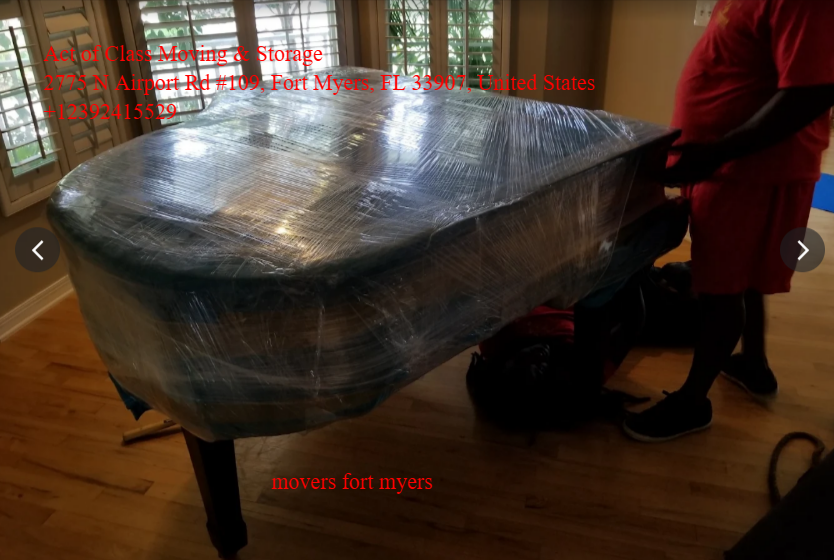
Little oversights get expensive. Forgetting to empty the gas from lawn equipment can void the load. Not reserving your condo elevator means waiting hours while the building squeezes you in. Underestimating the garage’s volume might force a second trip. If you own a piano or a safe, disclose it early. If you have a marble table or glass curio, ask how they’ll crate it. Specialty items can require extra hands and materials.
What devalues a house the most? In the context of moving, rushed patch jobs and scuffed floors the day before the final walkthrough. Protect surfaces with runners. Use corner guards if you have them. Don’t yank hardware off walls without patching and painting. Buyers and landlords notice.
Life logistics: money rules and comfort on the other side
Your move budget lives inside your broader money plan. The 50 30 20 rule is a simple way to keep perspective after the truck leaves: 50 percent of take-home for needs, 30 for wants, 20 for savings and debt. After a move, it’s tempting to splurge on decor and gadgets. Give yourself a 30-day cooling period. Live in the space. Let the light tell you where the couch should go.
If you’re new to Fort Myers, you’ll adjust to the Gulf breeze, the daily shower, and the slower afternoon pace. It’s a city that rewards early risers. Yard work happens before breakfast. Moves do too. If your income is tight, consider neighborhoods a little inland for better rent-to-amenity balance. If insurance rates give you sticker shock, talk to neighbors, not just agents, and compare wind mitigation https://connercgwc073.bearsfanteamshop.com/local-movers-fort-myers-downsizing-and-senior-move-specialists discounts.
What is the hardest age to move? Families with school-age kids feel the disruption most. Teens grieve routines and friend circles. Build them into decisions where you can, and unpack their space first. For older adults, the hardest part is often downsizing decades of memory. Plan more time for sorting and gentle choices.
What’s the feng shui before moving in a new house? Call it feng shui or just common sense: open the windows, let air flow, and clean thoroughly before the first box arrives. If you have the time, walk the space with nothing in it and imagine your daily path from door to kitchen to bedroom. That mental rehearsal will keep movers from stacking boxes in the wrong place.
The day-of dance
Move day starts early here. Greet the crew, walk them through the scope, and point out the critical pieces. Clarify what stays and what goes so a staging shelf doesn’t ride by accident. Keep pets secured. Have cash or a digital tip plan if you intend to tip. Keep water visible. If a storm pops at noon, trust the crew’s judgment about wrapping and sequencing loads. They’ve hauled through hundreds of showers. When unloading, direct traffic but don’t micromanage. The fastest moves have one decision-maker and clear labels on every box.
If something breaks, note it on the paperwork before signing. Take photos. Most reputable companies will fix or compensate within the terms of their contract. Good communication on both sides keeps small issues from becoming sore spots.
Two short lists that actually help
A five-minute pre-move checklist for Fort Myers:
- Confirm elevator reservation and certificate of insurance with both buildings. Build a first-night box and keep it with you. Finish the kitchen and bathrooms at least three days ahead. Stage boxes by room near exits, label on two sides with room and contents. Text the crew photos of parking, stairs, and tight turns the day before.
Five things you should carry yourself on move day:
- Medications, IDs, passports, legal documents, and checkbook. Laptops, drives, jewelry, cash, and small heirlooms. A basic toolkit, box cutter, and measuring tape. Phone chargers, power strip, and a small extension cord. Change of clothes, toiletries, snacks, and a few water bottles.
After the boxes: settling without overspending
Once the last dolly leaves, it’s tempting to shop. Give yourself a week. Live with the flow. Measure walls before you drag a couch to death. If you’re itching to buy, start with lights and curtains rather than statement furniture. Daylight in Fort Myers is strong, and the right shade changes everything. Register your car if you’ve moved in from out of state, update your license, and set reminders for homestead exemption if you bought. Toss the tape gun only after you flatten the boxes someone else can use.
If the budget took a hit, rebalance in the next month. Delay subscriptions. Cook at home. If you tipped generously because the crew saved your back on a brutal day, you won’t regret it. The line item you’ll kick yourself over is duplication: buying a second set of tools because the first disappeared into unlabeled boxes.
Pulling it together, the Fort Myers way
Start with scope and a firm date. Those two choices ripple through everything from your elevator slot to your wallet. Price your options honestly using local hourly ranges. Choose a mover who answers questions clearly and carries the right insurance. Pack smarter than you think you need to. Respect the heat and plan around the weather. Tip fairly for hard work, offer water, and stay available without hovering. Two weeks out, confirm the boring paperwork that unlocks your moving day. The afternoon storm will pass. The boxes will empty.
Fort Myers rewards the early plan and the unhurried finish. If you keep that rhythm, your move will feel less like a scramble and more like a handoff to your next chapter.